Tips on How to Find Your Perfect Foundation Shade
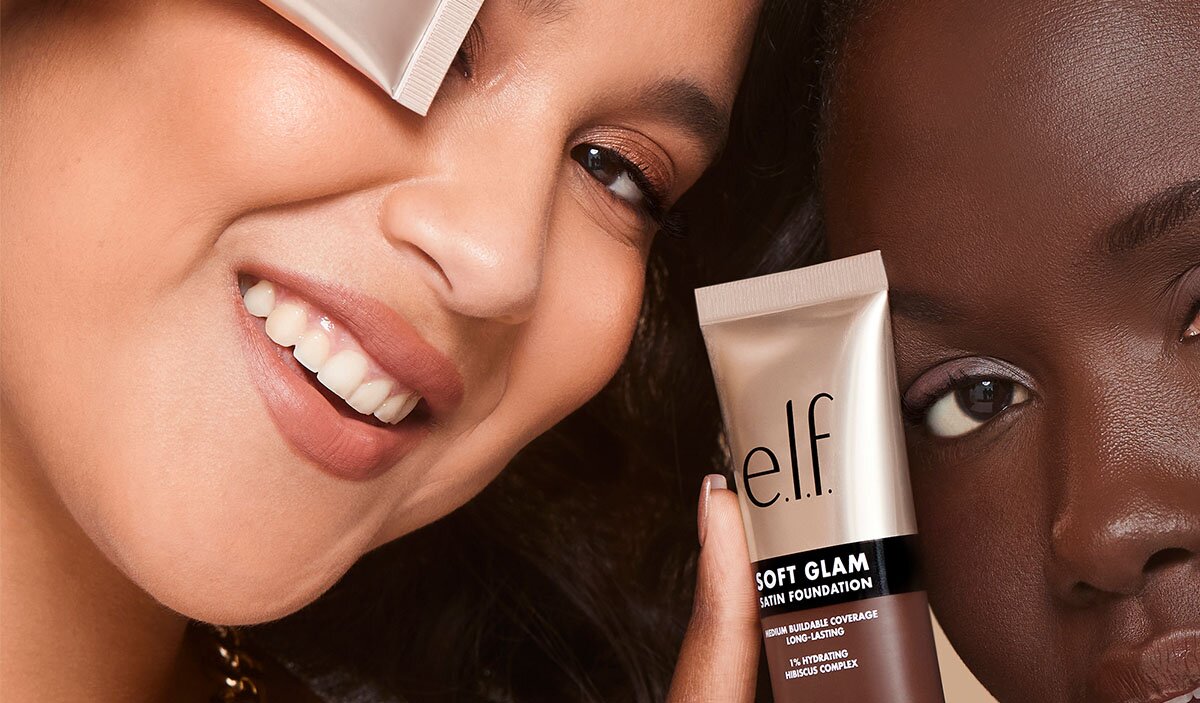
Say goodbye to the ‘It’s Complicated’ status and embrace your perfect match. Easy is our love language when it comes to all things beauty. Transforming your makeup game begins with finding your perfect foundation shade. Your foundation is the base of your everyday makeup looks and the gateway to a flawless face. In this guide, you’ll learn how to first properly identify your skin tone. From there, we’ll walk you through finding the correct undertones of your skin to consider when finding a shade. Additionally, you’ll learn how to test any foundation on your skin properly. Pro tip: lighting is essential! More importantly, we recommend always to consider your skin type and to remember that seasons change so will your skin!
How to Find Your Foundation Shade
Good makeup doesn’t always happen overnight. Finding the perfect shade is sometimes a journey, and it involves understanding your skin tone, identifying your undertone, testing shades, and considering seasonal changes—all critical factors when finding your right match. Getting to the base of finding your perfect liquid foundation shade starts by determining whether your skin tone is fair, medium, or deep. Next, we need to identify your undertone: warm (yellow, peachy, or golden), cool (pink, red, or blue), or neutral.

Understanding your undertone is a crucial step in determining your shade. When testing foundation shades, start on your jawline, where your face and neck meet, to find the best match. Lighting is important when testing, so don’t be afraid to step outside or go near a window to see the actual colour of the foundation shade when shopping.
Lastly, remember that your skin tone can change with the seasons! We often suggest colour matching for two shades—a lighter shade for winter and a darker one for summer for a natural-looking finish all year round.
Tools and Resources to Help You Choose Your Foundation Shade
Take out the guesswork of finding your perfect foundation shade with our online tools and resources: our most popular tool, the e.l.f. Shade Finder combines a virtual shade matcher and a quiz to help you find your ideal shade. The quiz asks you a series of questions regarding your skin colour depth, colour match, and specific undertones. After completing the quiz, the virtual shade match uses your answers to recommend an exact foundation shade. You can even try the shade virtually using a selfie or uploaded photo, ensuring a closer match.

Tips for Accurate Foundation Matching
Foundation is a must-have in every beauty bag–it’s the base to an iconic full face and an accurate shade match helps to ensure that. When matching for your preferred shade look for natural lighting. Often, colour matching under artificial light can distort the colour and affect the perception of the shade match. We recommend testing the foundation close to your jawline or the side profile of your face. Although you might be in a rush or tempted to test the foundation on your hand, we don’t recommend it. Your hand’s skin tone can differ significantly from your face.

This method of colour matching from your jawline to your side profile helps to ensure that the product will blend seamlessly between your face and neck. Also, take your time when testing products; don’t be afraid to compare options.
Our best pro tip would be to swipe on a few shades side by side to see which one effortlessly blends into the skin. Comparing and testing multiple shades will help you find the best match for your natural skin tone.
Tips on Adjusting Your Foundation Shade
Let’s face it — sometimes finding your perfect shade match is hard, but it doesn’t need to be a full-time job. Here, we’re breaking down a few extra tips we’ve learned along the way because sometimes colour matching requires a few extra steps and adjustments. If your skin tone falls in-between standard shades, you can create your own custom blend by mixing two shades. Another thing to consider is that your skin changes when seasons do.

We often find that your skin may be lighter in the colder winter months compared to the summer, when your skin may take on more colour. For a consistent match year-round, we like to keep two shades on hand.
More importantly, when searching for a foundation, you can’t forget your skin type and texture. Matte formulae and a matching setting powder are often recommended for oily skin to control excess shine. Hydrating, dewy, and serum-based foundations are best for dry skin. For our texture makeup lovers, avoid heavy formulae and use a light to medium-coverage formulae that allows the skin to breathe and blend out smoothly.
FAQs on Finding Your Perfect Foundation Shade
Here are some quick tips to help someone find their perfect foundation shade:
- Start with your undertone: Determine if you have cool (pink/red), warm (yellow/golden), or neutral undertones by looking at the veins on your wrist. Blue veins indicate cool, green veins indicate warm, and a mix suggests neutral undertones.
- Test in natural light: Always check foundation shades in natural daylight for the most accurate colour match.
- Swatch on your jawline: Apply a small amount of foundation on your jawline and blend it towards your neck. The right shade should seamlessly blend into your skin.
- Consider your skin type: Different formulae work better for different skin types (e.g., matte for oily skin, dewy for dry skin).
- Use shade-matching tools: e.l.f. Cosmetics offers an online virtual shade matching tool that can help to find your perfect liquid foundation match.
- Adjust for seasons: Your skin tone may change slightly between summer and winter, so you might need different shades for different times of the year.
This next-level beauty hack is here to slay your foundation game. Here's how to use our virtual shade finder to help you get your perfect match:
- Visit the e.l.f. website and find the virtual shade finder tool.
- Upload a selfie or use your device's camera for a live try-on.
- Let the AI work its magic to analyze your skin tone.
- Explore the suggested shades that'll make you look e.l.f.ing flawless!
- Play around with different options to find your holy grail shade.
This tool is all about helping you express your e.l.f. and nailing that perfect foundation match. It's like having a beauty bestie right at your fingertips.
Generally, it's not recommended to buy a foundation shade that is either one shade lighter or one shade darker than your natural skin tone. The goal of foundation is to create a seamless, natural-looking coverage that matches your skin tone perfectly. Here's why:
- Buying a lighter shade:
- Can make your face look ashy or ghostly
- May create an unnatural contrast between your face and neck
- Could emphasize imperfections instead of concealing them
- Buying a darker shade:
- Can make your face appear orange
- May create an obvious line of demarcation between your face and neck
The best approach is to find a foundation that matches your natural skin tone as closely as possible. This will ensure a more natural, flawless look. If you're between shades, it's often better to choose the slightly lighter option and use bronzer or contour products to add dimension, rather than starting with a darker base.
To find your perfect match:
- Test the foundation on your jawline in natural light
- Wait a few minutes to see how it oxidizes on your skin
- Compare it to your neck and chest area for seamless blending